

Resources
We are convinced that governments alone will not respond to climate change in an urgent and comprehensive enough basis. Government policies and programs need to be complemented by and, in some cases, driven by an educated populace and mitigation and adaptation at the community level. GTEC is committed to sharing resources and tools to help communities adapt to the impacts of climate change.
GTEC Resources
Preparing your Organization for the 2026 Fire Season
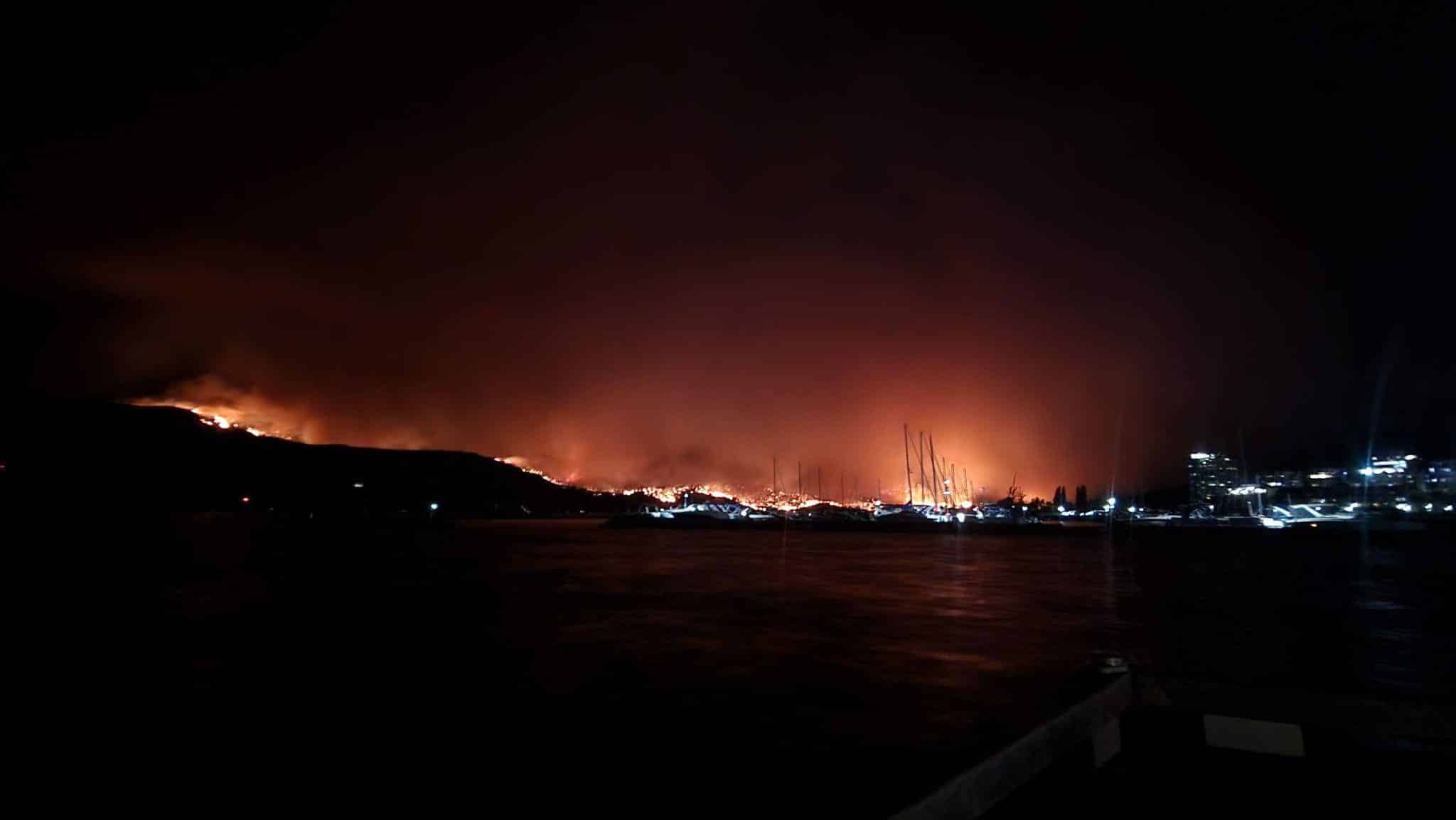
Getting Ready for the Fire Season
“The fire was coming from the south, down the valley. The nearest gas station was 150 km west or 60Km east of the community of Golden” Arden Henley is recalling the moment when a community social service agency in B.C. faced an evacuation alert. It is recounted in a GTEC webinar called …
GTEC Organization Climate Resilience Roadmap

Balancing the Climate Crisis Response Equation
The efforts of many of the organizations responding to the climate crisis in British Columbia and elsewhere are focused on effecting changes to municipal, provincial and federal government policy. This is undoubtedly important work. At the same …
The GTEC Community-based, Collaborative Model

GTEC Community-based Collaborative Model
The GTEC Community-based, Collaborative Model entails collaboration with a pre-existing structure of community-based organizations with a central Climate Response Centre serving as a source of programming, consultation and support …
GTEC Wildfire & Smoke Preparation Kit
Repairing the Social Contract
Role of the Arts and Culture in addressing the health impacts of climate change
GTEC Wildfire and Smoke Preparation Kit
Click here to download your own copy of the Wildfire and Smoke Preparation Kit.
The increasing incidence and intensity of wildfires and the smoke
associated with wildfires is a predictable outcome of a warming
climate.
The purpose of the GTEC Wildfire and Smoke Preparation Kit is to
provide useful materials to organizations in the …
Repairing the Social Contract
This study explored the emotional and psychological reactions of young individuals (ages
16-24) to climate change based on online focus group interviews with 11 participants (two
interviews per person). Aiming to comprehend their distress and collaboratively design
solutions, the research emphasized community-academic partnerships and youth leadership. The Colaizzi descriptive phenomenological…

Role of the Arts and Culture in addressing the heath impacts of climate change
“Role of the arts and culture in addressing the health impacts of climate change: Behavioural and Cultural Insights policy brief series. Copenhagen: WHO Regional Office for Europe; 2026. Licence: CC BY-NC-SA 3.0 IGO.”
External Resources

Clean50
https://clean50.com

MHCCA BC Climate Vulnerability Map
https://mhcca.ca/climate-vulnerability

Stand.earth
https://stand.earth
Canadian Association of Physicians for the Environment
https://cape.ca/

West Coast Climate Action Network
https://westcoastclimateaction.ca/

Medium Daily Digest
https://medium.com

Suzuki Elders
https://suzukielders.org

Sierra Club BC
https://sierraclub.bc.ca/

Dogwood BC
https://dogwoodbc.ca

The Tyee
https://thetyee.ca

Doctors for Planetary Health, West Coast
https://www.doctorsforplanetaryhealth.com/home
FireSmoke Canada
https://firesmoke.ca/